An Analysis of Ultra-pure Water Membrane Technology: A Comprehensive Overview from Preparation to Application
2026/5/14
Ultrapure water membrane is the core component used to prepare ultrapure water, and its electrical resistance needs to reach more than 18MΩ · cm (25C), which is close to the theoretical pure water limit (18.25MΩ · cm).Its core principle is to combine physical filtration with ion exchange technology to achieve the removal of impurities in water.
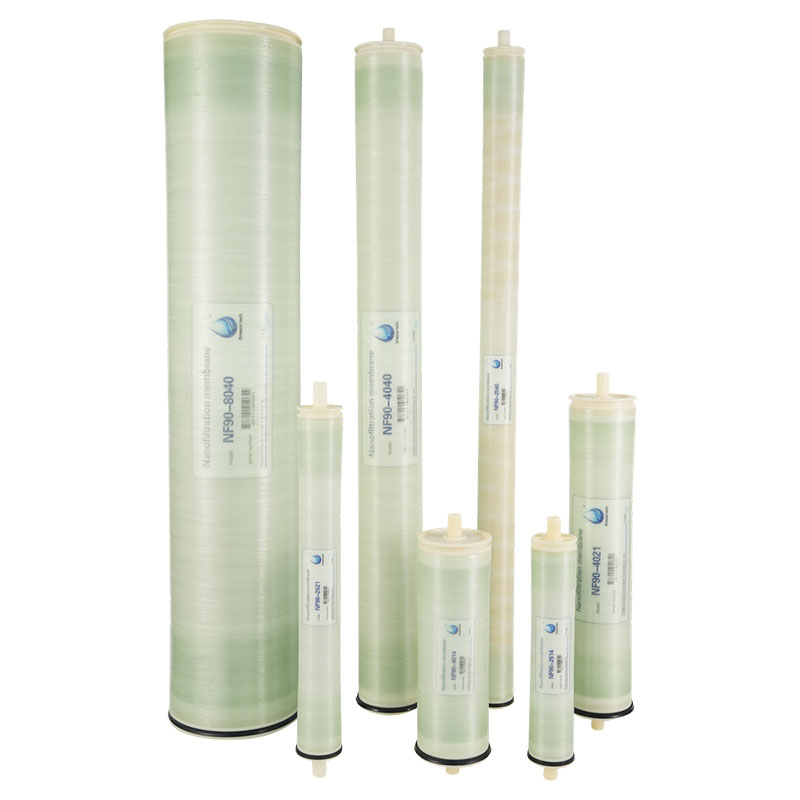
Reverse osmosis (RO) membrane: with a pore size of only 0.0001 μm, it can retain more than 98% of dissolved salts, colloids and microorganisms, and is the core step of desalination.
Electrodeionization (EDI) membrane: Combined with electrodialysis and excipient exchange resin, the residual ions are transferred under the action of electric field to achieve deep desalination without chemical regeneration.
Terminal treatment membrane: such as ultraviolet (UV) degradation membrane and polishing mixed bed, further remove the total organic carbon (TOC) and increase to more than 18 MΩ · cm.
Preparation process
Ultrapure water preparation uses a multi-stage membrane system. The process is as follows:
1. Pre-processing Phase
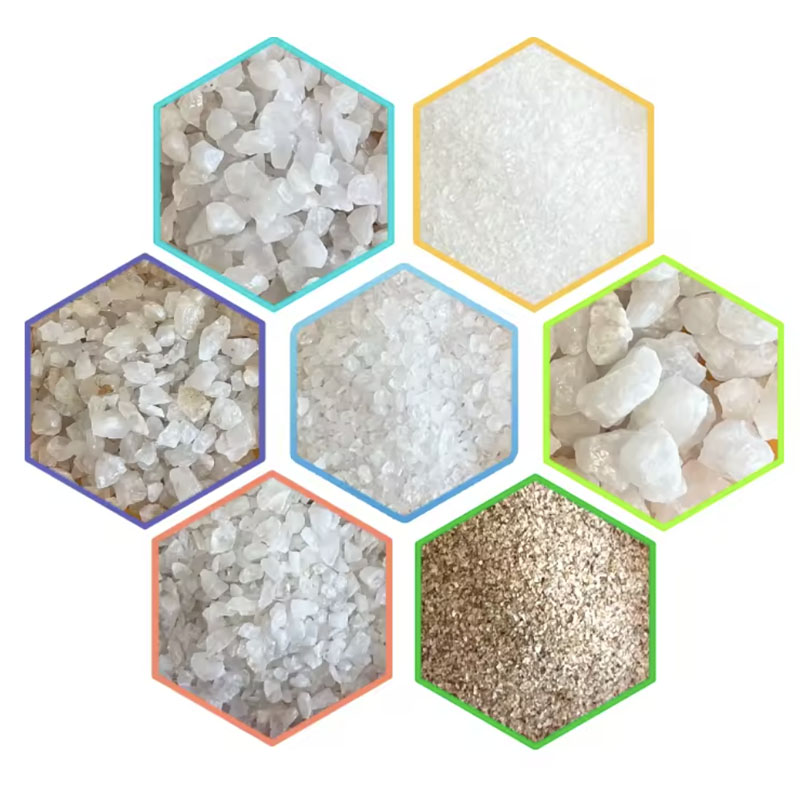
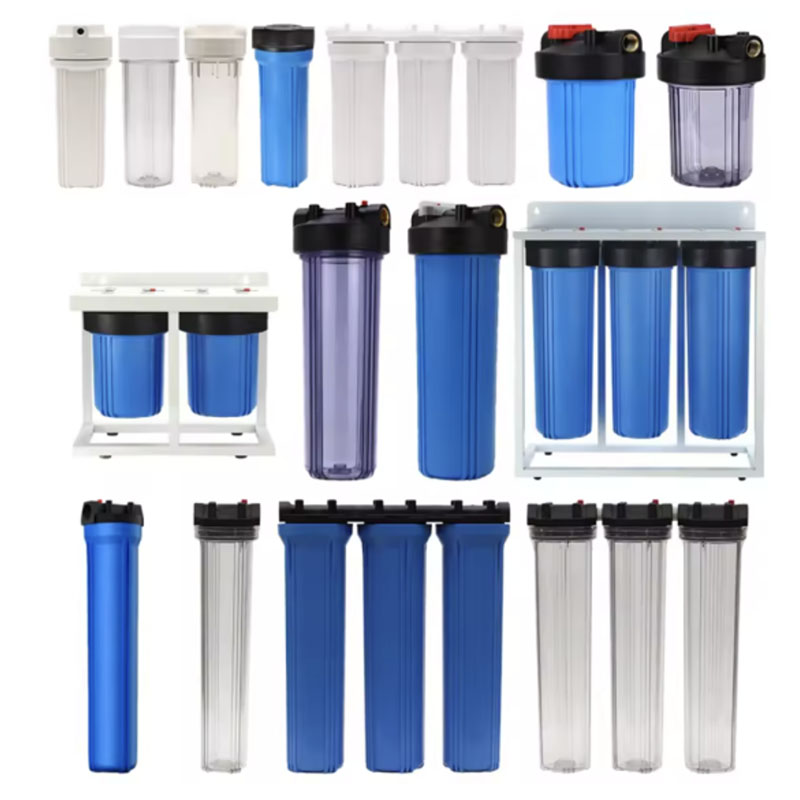
Multi-media filters remove suspended substances and colloids (such as quartz sand, smokeless coal filters).
Activated carbon filters: adsorb residual chlorine, organic matter.
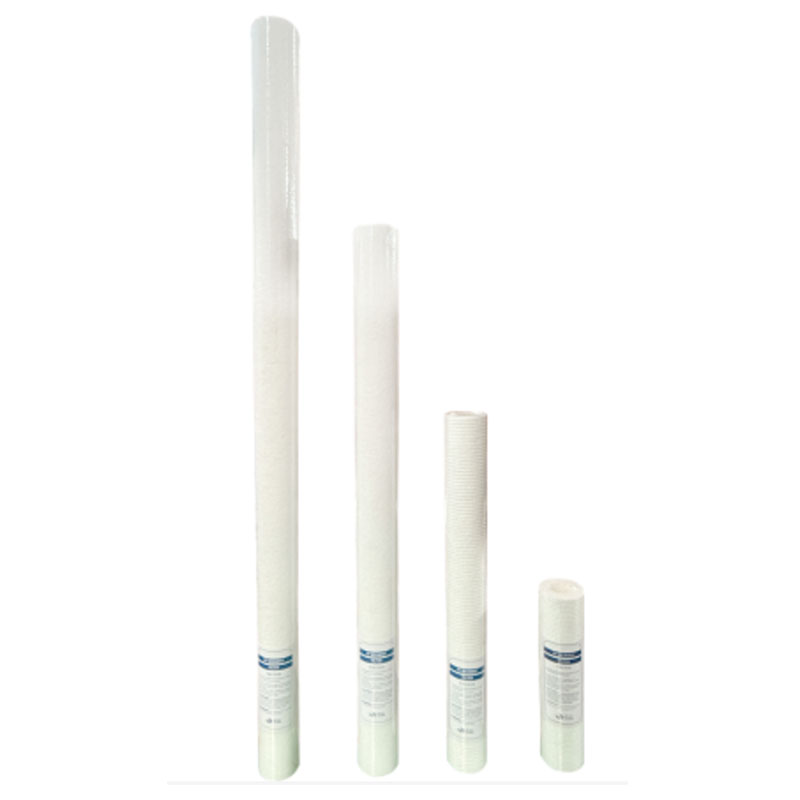
Safety filter: intercepts particles above 5 μm to protect subsequent membrane components.
2. Reverse osmosis (RO) system
First RO: Remove 98% dissolved salt, water conductivity < 20 μS / cm.
Secondary RO: Further reduce conductivity to < 2 μS / cm, with pH adjustment to prevent scaling.
3. Electrical deionization (EDI) module
Using RO water as feed water, the electric resistance was increased to 10-13 MΩ · cm through the action of dissociating resin and electric field.
4. End Processing
Ultraviolet (UV) degradation: 185 nm wavelength UV lamp decomposition of organic matter, TOC down to ppb level.
O polishing mixed bed: filled with H / OH resin, electrical resistance of more than 18 MΩ · cm.
Key application areas
1. Semiconductor Manufacturing
Wafer etching and cleaning need ultra-pure water to avoid 0.1μm particles causing circuit short circuit, and the electrical resistance needs to be > 18MΩ · cm.
2. Laboratories and the Electricity Industry
High precision test and boiler feed water have strict requirements on water quality, and TOC, SiO2 and other indicators need to be controlled.
Ultrapure water film technology has formed a mature system, but there is still room for optimization in terms of materials, energy consumption and intelligence. In the future, with the convergence of nanotechnology and smart manufacturing, ultrapure water preparation will evolve toward a more efficient and environmentally friendly direction.
(The above is taken from the Internet for informational purposes only. Please consult the engineer for specifics.))





 Language